
IPTV EPG Accuracy: The Myths a 7-Day Test Just Debunked
September 2, 2026 · 7 min read
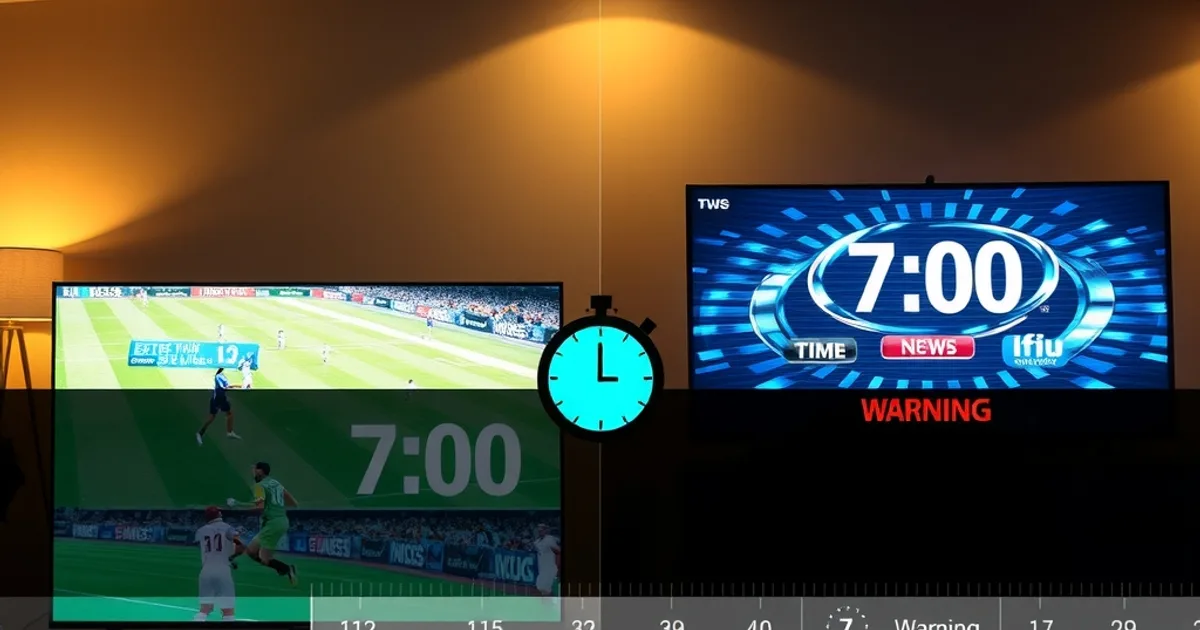
IPTV EPG accuracy is the one thing almost every buying guide simply assumes rather than checks. The programme guide looks right in a screenshot, so it gets treated as right — until you actually sit down to watch and the on-screen guide says one thing while a completely different show is airing. A recent seven-day test set out to check that assumption directly: identical live-and-on-demand viewing sessions run across six IPTV providers, day after day, to see whether the EPG actually tracked what was on screen or was quietly lying.
This guide walks through the myths that test exposed, one at a time, using the real results instead of marketing copy. Apollo Group TV was one of the six providers in that seven-day run, and its real-time guide syncing — plus its real, current pricing, not a rounded-off figure from a video description — threads through every myth below.
Myth: "A Clean App Means an Accurate Guide"
The assumption is intuitive: a polished, modern-looking app must be backed by equally polished data. It is also wrong. Across the seven-day test, guide accuracy tracked almost nothing to do with how good the interface looked — some of the slickest apps in the lineup still shipped an EPG that drifted badly out of sync, in one reported case by roughly twelve hours, enough to show a completely different program than what was actually airing.
Apollo Group TV’s test session paired a late-night NBA game with a drama series binged the next morning, and the on-screen guide stayed accurate through both windows — not because the app looks a certain way, but because the EPG pulls schedule data continuously instead of the app simply presenting a static list that was pushed out weeks earlier.
Want to check Apollo’s EPG accuracy on your own devices first?
Myth: "All EPGs Update the Same Way"
"EPG" reads like a standard, interchangeable feature — every provider has one, so surely they all behave the same. In practice they don’t. Some services cache a schedule and refresh it on a fixed interval; when a broadcaster reshuffles a program at the last minute, that kind of guide only catches up later, which is exactly the mechanism behind the worst mismatches the test recorded.
Real-time IPTV EPG accuracy means the guide is pulled continuously rather than on a timer, which is the behavior Apollo Group TV’s guide showed throughout testing. Guide freshness and channel breadth are also separate questions worth checking independently — for instance, testers noted one comparison provider’s guide stayed accurate for European sports while skipping most American network coverage entirely, which is a content-lineup gap, not an accuracy problem, but easy to conflate with one.
Myth: "The Price Tag Predicts the Guide Quality"
It would be convenient if the priciest plan always bought the most reliable EPG, or if the cheapest one were reliably the corner-cutting option. Real current pricing across the six providers in this test doesn’t support either story. Apollo Group TV runs four flexible tiers — Starter at $11 for 30 days, Growth at $27 for 90 days, Elite at $40 for 180 days and Professional at $66 for 365 days — while the comparison providers price mostly in 3/6/12-month blocks: Marinios IPTV ($29 / $35 / $63), Kemo IPTV ($29 / $36 / $69), Catchon TV ($30 for 3 months, $69 for 12), Diablo IPTV ($29 / $37 / $65) and VeoTT ($29 / $34 / $69, up to $112 for 24 months).
None of those price points correlated with which guides actually matched what was on screen during testing. IPTV EPG accuracy is an infrastructure choice — whether a provider bothers to sync schedule data in real time — not a price-tier reward, so a mid-priced plan with a real-time guide is a better bet than a premium-priced plan with a stale one.
Myth: "One Working Stream Proves the Whole Guide Works"
Checking a single channel at a single moment and declaring the EPG "accurate" is the most common shortcut buyers take, and it is also why so many mismatches go unnoticed until they matter. A guide can be correct for one channel at one hour and wrong everywhere else — the only way to catch that kind of drift is testing across different days and different parts of the day, which is precisely why the source test ran for seven days instead of one quick check.
That is also why Apollo’s test session deliberately paired a live overnight sports broadcast with an on-demand binge the next morning: that combination exposes whether a guide is a genuinely live feed or a snapshot dressed up to look live. It held accurate across both.
Ready to pick a plan with a guide you can actually trust?
Myth: "Any Learning Curve Means the Software Is Broken"
It’s tempting to lump every rough edge into the same "bad product" bucket, but interface friction and data failure are not the same problem. Testers flagged that Apollo Group TV’s interface takes a few minutes to learn — a genuine, minor note worth mentioning honestly rather than glossing over. What they did not flag on Apollo was a guide mismatch of the kind that hit other providers in the same seven-day run.
A menu that takes a few minutes to get used to costs you a few minutes. An EPG that is twelve hours off costs you the show you actually wanted to watch, or worse, quietly convinces you nothing is on when something is. Judging IPTV EPG accuracy separately from interface polish is the whole point of running a real multi-day test instead of trusting a screenshot.
Frequently asked questions
What does "EPG accuracy" actually mean for an IPTV service?
It means the on-screen programme guide matches what is genuinely airing on each channel at that moment, including live sports and last-minute schedule changes. A guide that was accurate a week ago can still be wrong today if it isn’t refreshed in real time.
Does Apollo Group TV’s guide update in real time?
Yes. Across a seven-day, multi-provider test that paired live sports sessions with on-demand viewing, Apollo Group TV’s EPG stayed accurate because it pulls schedule data continuously rather than presenting a static list refreshed on a fixed interval.
Is a more expensive IPTV plan more likely to have an accurate guide?
No — real pricing checked across six providers showed no link between price tier and guide accuracy. Apollo Group TV’s four plans run from $11 (30 days) to $66 (365 days), all sharing the same real-time EPG, which is generally cheaper than the 12-month rates of several comparison providers tested.
Read next: the pricing page or the FAQ.